
– Get out of pain faster and easier
Neurofunctional Acupuncture in Hamilton, ON
A personalized approach that may help manage pain and support recovery—integrated with your assessment, rehabilitation plan, and goals.
Care that starts with listening.
We take time to understand your symptoms, your history, and the activities you want to get back to.
– A thoughtful approach
Neurofunctional Acupuncture for Hamilton Patients
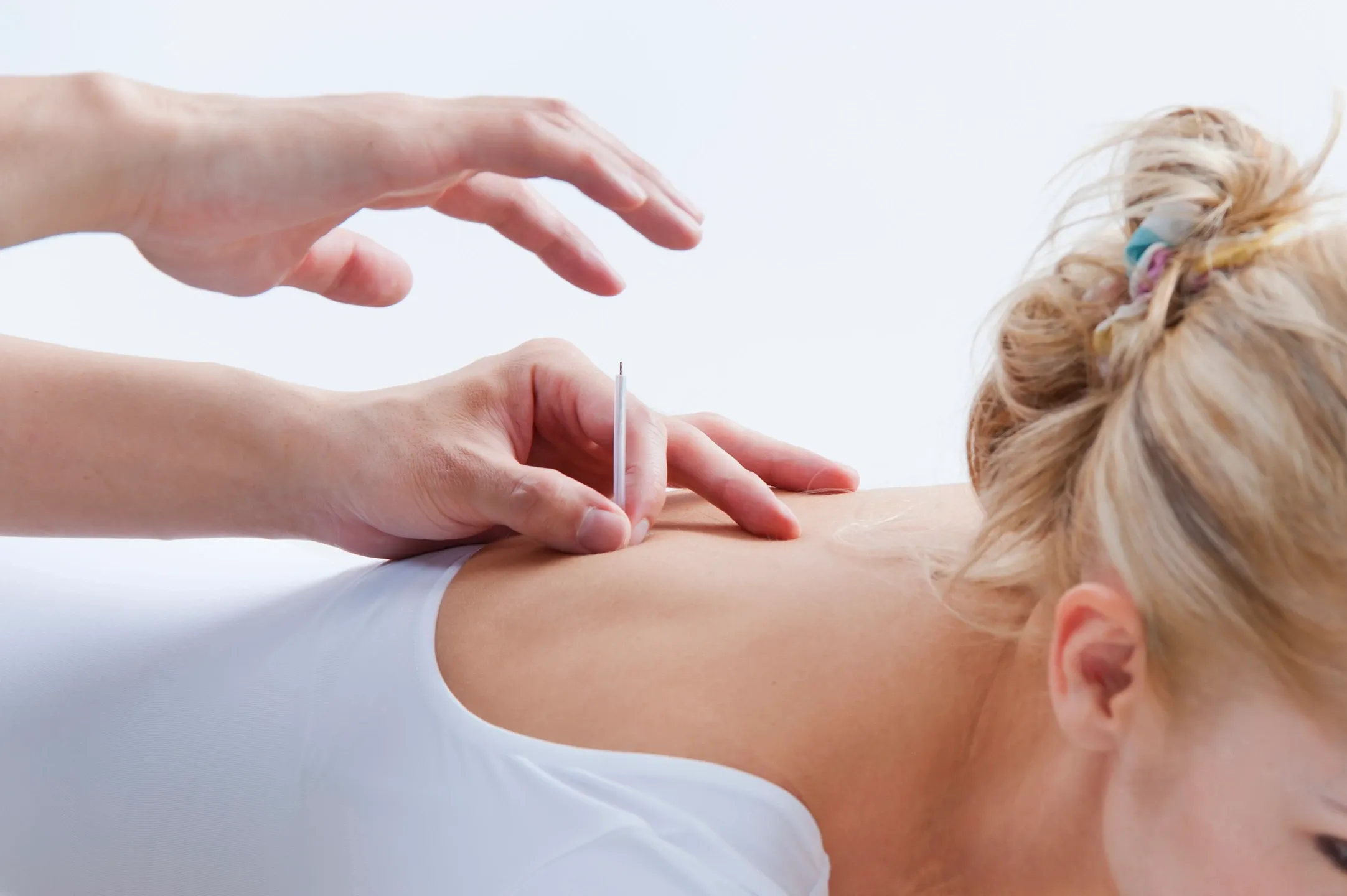
Neurofunctional acupuncture is a treatment approach that uses acupuncture needles in the context of a musculoskeletal assessment. At Crown Point Rehab, it may be used alongside hands-on care and individualized rehabilitation when it is appropriate for your needs.
People may seek care for pain, muscle tension, movement limitations, or a recovery setback. Your visit begins with understanding your concern and discussing options—not with assumptions about what your body needs.
– Common concerns
Conditions We Help With
Back and Neck Pain
Care focuses on how pain affects your movement, posture, work, sleep, and everyday activities.
Knee Pain
We assess how your knee moves and functions to help address pain, mobility, and everyday movement demands.
Shoulder Pain
Tendonitis and Tendinopathies
Care focuses on the factors contributing to tendon pain and how you can safely return to comfortable movement and activity.
Sciatica
We assess your symptoms and movement to better understand the source of irritation and determine whether chiropractic care is appropriate.
Plantar Fasciitis
We look at foot and lower-limb movement to understand contributing factors and support a gradual return to comfortable activity.
Temporomandibular Joint (TMJ) Pain
We assess jaw movement and surrounding muscles to understand how they may contribute to pain, tension, or difficulty with everyday activities.
Lumbar Spinal Stenosis
Care focuses on managing symptoms, maintaining mobility, and supporting comfortable movement while considering your individual needs and activity level.
– Your care, step by step
How Neurofunctional Acupuncture Treatment Works
We keep the process transparent so you understand the assessment, the options, and how each recommendation connects to your goals.
01
Initial Assessment
We discuss your symptoms, relevant medical history, lifestyle, and the activities that are currently limited
02
Personalized Treatment Plan
Dr. Anser explains the assessment findings and works with you to decide whether acupuncture is a suitable option within your care plan.
03
Neurofunctional Acupuncture
If appropriate, treatment is provided with informed consent and may be paired with hands-on techniques or rehabilitation strategies.
04
Progress & Follow-Up
We reassess your response, discuss progress toward your goals, and adapt recommendations where appropriate
– Treatment options
Care That Works Together
Neurofunctional acupuncture is one part of a broader, individualized approach to rehabilitation and pain management.
Neurofunctional acupuncture
Joint manipulation
Myofascial release therapy
Personalized rehabilitation
Treatment is selected after assessment, based on your needs, preferences, and clinical judgment.
– Evidence-informed care
Potential Benefits of Acupuncture
When appropriate, acupuncture may support pain management, movement, and rehabilitation. Individual responses vary, and no outcome is guaranteed.
Pain management
May be considered as one part of an individualized plan for certain pain concerns.
Movement
May support comfortable movement when paired with appropriate rehabilitation and guidance.
Function
Care can focus on the activities and tasks you are working toward.
Recovery
Reassessment and follow-up support a gradual, realistic return to activity.
– The Crown Point difference
Why Choose Crown Point Rehab?
Good care feels clinically grounded and genuinely human: clear communication, thoughtful assessment, and recommendations built around the person in front of us.
- Dr. Anser Abbas, Doctor of Chiropractic
- Canadian Memorial Chiropractic College graduate
- Two-year residency in Chiropractic Clinical Sciences
- Experience with chronic pain and rehabilitation
- Personalized treatment planning
- A patient-focused, Hamilton-based clinic
Questions before booking?
We offer a complimentary 10-minute phone or video consultation to help you decide whether this is the right next step.
– No surprises
What to Expect During Your First Visit
Come as you are. We will guide you through each part of the appointment and answer questions along the way.
Check-in
Arrive a few minutes early to complete any needed intake information.
Consultation
Tell us about your concern, history, and what you hope to get back to doing.
Assessment
Your chiropractor completes an assessment relevant to your symptoms and goals.
Treatment, if appropriate
Options, benefits, and any questions are discussed before treatment begins.
Personalized recommendations
Leave with practical guidance and a clear understanding of the next steps.
Follow-up
We schedule follow-up only when it makes sense for your care plan.
– Local care
Neurofunctional Acupuncture in Hamilton, ON
Crown Point Rehab is located at 67 Kenilworth Avenue North in Hamilton. We welcome patients looking for thoughtful chiropractic care, acupuncture, and personalized rehabilitation in the community.
Appointments are currently offered Monday and Thursday, 10:00 am to 7:00 pm. Call or book online to confirm availability and ask about access or parking before your visit.
Frequently Asked Questions
Please reach us at info@crosstownrehab.ca if you cannot find an answer to your question.
What is neurofunctional acupuncture?
It is a modern approach to acupuncture that uses fine needles placed according to neuroanatomy and how the nervous system works, rather than traditional meridian theory alone. The goal is to influence nerves, muscles, and pain pathways to reduce pain and improve function.
How is it different from traditional acupuncture?
Traditional acupuncture follows energy pathways, while neurofunctional acupuncture selects points based on nerve supply, muscle function, and your specific neurological and musculoskeletal findings. Treatment is guided by a physical assessment of how your body is working.
What conditions can it help with?
It is commonly used for muscle and joint pain, back and neck pain, headaches, nerve-related pain, and recovery after injury. Your practitioner will tell you after an assessment whether it suits your condition.
Does it hurt?
The needles are very thin, and most people feel little more than a tiny pinch, followed by a dull ache, warmth, or heaviness at the site. Many people find the treatment relaxing.
Are the needles safe and sterile?
Yes. Licensed practitioners use sterile, single-use, disposable needles, which are discarded after each session. Side effects are usually minor, such as slight bruising or soreness.
How many sessions will I need?
Some people notice a change after one or two sessions, while chronic problems usually need a series of treatments. Your practitioner will reassess you regularly and adjust the plan based on your response.
Is there anything I should do before or after a session?
Eat a light meal beforehand, stay hydrated, and wear loose clothing. Afterward, avoid intense exercise for the rest of the day if you feel tired or sore, and let your practitioner know how you responded.
Can I have acupuncture alongside other treatments?
Yes. It is often combined with chiropractic care or rehabilitation exercises. Tell your practitioner about all medications and treatments, and mention if you take blood thinners, have a pacemaker, or are pregnant.