
– Get out of pain faster and easier · Hamilton, Ontario
Cupping Therapy in Hamilton, ON
A hands-on treatment option that may help manage muscle tension, discomfort, and recovery—always chosen around your assessment and goals.
Care that starts with listening.
We take time to understand your symptoms, your history, and the activities you want to get back to
– A thoughtful approach
Cupping Therapy for Hamilton Patients
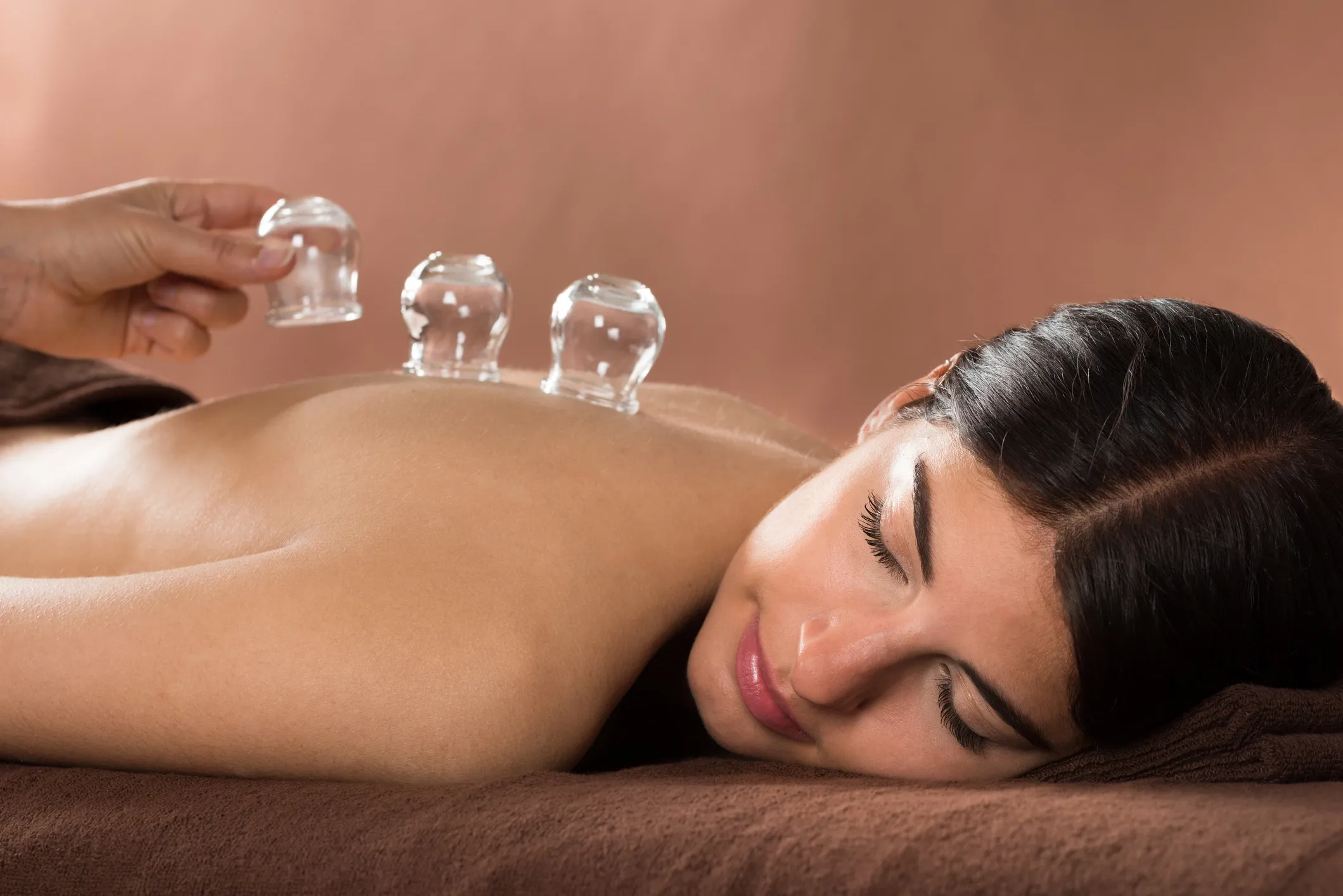
Cupping therapy uses specialized cups applied to the skin as part of hands-on care. At Crown Point Rehab, it may be considered alongside assessment, manual therapy, and rehabilitation when it is appropriate for your needs.
People may ask about cupping for muscle tightness, discomfort, or recovery concerns. Your visit begins with understanding what is happening and discussing appropriate options—not with a one-size-fits-all treatment.
– Common concerns
Concerns We May Help With
Back and Neck Pain
Care focuses on how pain affects your movement, posture, work, sleep, and everyday activities.
Knee Pain
We assess how your knee moves and functions to help address pain, mobility, and everyday movement demands.
Shoulder Pain
Tendonitis and Tendinopathies
Care focuses on the factors contributing to tendon pain and how you can safely return to comfortable movement and activity.
Sciatica
We assess your symptoms and movement to better understand the source of irritation and determine whether chiropractic care is appropriate.
Plantar Fasciitis
We look at foot and lower-limb movement to understand contributing factors and support a gradual return to comfortable activity.
Temporomandibular Joint (TMJ) Pain
We assess jaw movement and surrounding muscles to understand how they may contribute to pain, tension, or difficulty with everyday activities.
Lumbar Spinal Stenosis
Care focuses on managing symptoms, maintaining mobility, and supporting comfortable movement while considering your individual needs and activity level.
– Your care, step by step
How Cupping Therapy Works
We keep the process transparent so you understand the assessment, the options, and how each recommendation connects to your goals.
01
Initial Assessment
We discuss your symptoms, relevant medical history, lifestyle, and the activities that are currently limited.
02
Personalized Treatment Plan
Your chiropractor explains the assessment findings and works with you to decide whether cupping therapy is a suitable option within your care plan.
03
Chiropractic Treatment
If appropriate, treatment is provided with informed consent and may be paired with other hands-on techniques or rehabilitation strategies.
04
Progress & Follow-Up
We reassess your response, discuss progress toward your goals, and adapt recommendations where appropriate.
– Treatment options
Care That Works Together
Cupping therapy is one part of a broader, individualized approach to rehabilitation and pain management.
Cupping therapy
Joint manipulation
Myofascial release therapy
Personalized rehabilitation
Treatment is selected after assessment, based on your needs, preferences, and clinical judgment.
– Evidence-informed care
Potential Benefits of Cupping Therapy
When appropriate, cupping may support pain management and comfortable movement. Individual responses vary, and no outcome is guaranteed.
Pain management
May be considered as one part of an individualized plan for certain pain concerns.
Muscle comfort
May help address feelings of muscle tightness or discomfort for some patients
Movement
May support comfortable movement when paired with appropriate rehabilitation and guidance.
Recovery
Reassessment and follow-up support a gradual, realistic return to activity.
– The Crown Point difference
Why Choose Crown Point Rehab?
Good care feels clinically grounded and genuinely human: clear communication, thoughtful assessment, and recommendations built around the person in front of us.
- Dr. Anser Abbas, Doctor of Chiropractic
- Canadian Memorial Chiropractic College graduate
- Two-year residency in Chiropractic Clinical Sciences
- Experience with chronic pain and rehabilitation
- Personalized treatment planning
- A patient-focused, Hamilton-based clinic
Questions before booking?
We offer a complimentary 10-minute phone or video consultation to help you decide whether this is the right next step.
– No surprises
What to Expect During Your First Visit
Come as you are. We will guide you through each part of the appointment and answer questions along the way.
Check-in
Arrive a few minutes early to complete any needed intake information.
Consultation
Tell us about your concern, history, and what you hope to get back to doing.
Assessment
Your chiropractor completes an assessment relevant to your symptoms and goals.
Treatment, if appropriate
Options, benefits, and any questions are discussed before treatment begins.
Personalized recommendations
Leave with practical guidance and a clear understanding of the next steps.
Follow-up
We schedule follow-up only when it makes sense for your care plan.
– Local care
Cupping Therapy in Hamilton, ON
Crown Point Rehab is located at 67 Kenilworth Avenue North in Hamilton. We welcome patients looking for thoughtful chiropractic care, acupuncture, and personalized rehabilitation in the community.
Appointments are currently offered Monday and Thursday, 10:00 am to 7:00 pm. Call or book online to confirm availability and ask about access or parking before your visit.
Frequently Asked Questions
Please reach us at info@crosstownrehab.ca if you cannot find an answer to your question.
What is cupping therapy?
Cupping uses cups placed on the skin to create gentle suction. The suction lifts the skin and underlying tissue, which helps release muscle tension, improve circulation, and ease soreness.
What does cupping feel like?
Most people feel a firm pulling or tightening sensation that is not painful. Many describe it as the opposite of a massage, since tissue is lifted rather than pressed. The suction can be adjusted to your comfort.
Why does cupping leave round marks?
The suction draws blood toward the surface of the skin, which can cause circular red or purple marks. They are not true bruises from impact, are usually painless, and typically fade within several days to a couple of weeks.
What conditions can cupping help with?
It is commonly used for muscle tightness, back and neck pain, shoulder stiffness, trigger points, and post-exercise recovery. It is often combined with other treatments in a broader care plan.
How long does a session take?
Cups are usually left in place for about five to fifteen minutes, depending on the method and your needs. Some techniques involve gliding the cups along the muscles instead of leaving them still.
Is cupping safe? Are there side effects?
When performed by a trained practitioner, it is generally safe. Side effects can include temporary marks, mild soreness, or skin sensitivity. Rarely, blistering or lightheadedness can occur.
Who should avoid cupping?
People with open wounds, sunburn, skin infections, bleeding disorders, or those taking blood thinners should check with their practitioner first. It is also not recommended over certain areas of the body or during some stages of pregnancy.
How should I care for myself after a session?
Keep the treated area covered and avoid very hot showers, saunas, and intense exercise for the rest of the day. Drink water, avoid direct sun exposure on the marks, and contact your practitioner if you have unusual pain or skin changes.